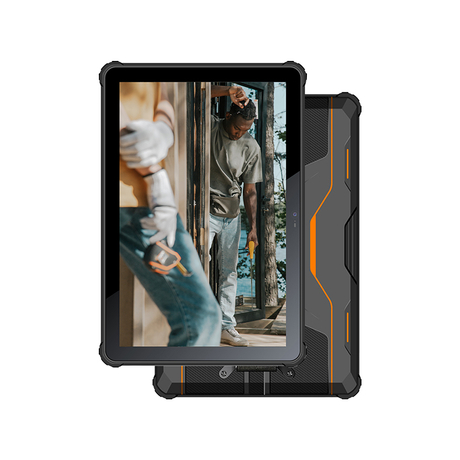
When evaluating an Industrial Intrinsically Safe 5G PAD, many buyers focus first on visible features such as a 10.1-inch large screen, barcode scanning, 5G communication, an 8500mAh battery, and 8+256GB memory/storage. These are all important for field productivity, but they do not answer the most critical deployment question: Where can the device be used safely and compliantly?
In hazardous industries, device selection must begin with area suitability. A tablet may be rugged, powerful, and well-designed, but if its certification does not match the site classification, it should not be used in that environment. This is especially important in facilities where flammable gases, vapors, or combustible dust may be present.
This article explains what hazardous areas an Industrial Intrinsically Safe 5G PAD may be suitable for, how hazardous areas are classified, and how buyers can verify whether a specific device matches their site requirements before purchase and deployment.
1.What Is an Industrial Intrinsically Safe 5G PAD?
An Industrial Intrinsically Safe 5G PAD is a tablet-class mobile device designed for industrial field use in hazardous environments, with intrinsic safety protection to reduce ignition risk. Unlike a standard rugged tablet, it is engineered and certified for locations where explosive atmospheres may occur under defined conditions. Intrinsic safety limits electrical and thermal energy so the device does not become an ignition source in normal operation (and, depending on certification scope, under certain fault conditions). This means it is suitable for specific hazardous areas only when its certification rating matches the site classification.
Why Features Still Matter After Certification
Once hazardous-area suitability is confirmed, hardware features become important for field productivity. A 10.1-inch large screen improves visibility for inspection forms, diagrams, maintenance records, and reports; barcode scanning supports asset identification, inventory checks, and traceability; and 5G communication enables faster data upload, remote support, and real-time coordination. The 8500mAh battery helps support long shifts with scanning and wireless use, while 8+256GB provides room for multitasking and local storage of records, photos, and operational data.
Certification Comes Before Features
A common procurement mistake is comparing specs before checking hazardous-area compliance. The correct order is to confirm the device is certified for the intended gas or dust zone (or Class/Division area) first, then compare display size, scanning, connectivity, battery life, and storage.
2.How Hazardous Areas Are Classified
To determine whether an Industrial Intrinsically Safe 5G PAD is suitable for a site, buyers need a basic understanding of hazardous-area classification. Different regions use different systems, but the principle is the same: areas are classified by the likelihood and duration of explosive atmospheres.
Gas Hazard Zones: Zone 0, Zone 1, Zone 2
Gas and vapor hazardous areas are commonly classified as Zone 0, Zone 1, and Zone 2 in many international systems. These zones indicate how often an explosive gas atmosphere may be present, with Zone 0 being the most stringent and Zone 2 generally lower risk. Many industrial hazardous-area tablets are certified for Zone 1 or Zone 2, but not all are suitable for Zone 0, so buyers should never assume that “intrinsically safe” means approval for every gas zone.
Dust Hazard Zones: Zone 20, Zone 21, Zone 22
Combustible dust environments use a similar system, typically classified as Zone 20, Zone 21, and Zone 22. These classifications are relevant in operations involving powders, grain handling, fine chemicals, and other combustible particulate materials. If your site has dust hazards, you must confirm that the device certification specifically includes dust-area approval, because gas-only certification may not cover dust zones.
North America: Class/Division System
In some regions, especially North America, hazardous areas are often described using a Class/Division system (such as Class I Div 1 or Class I Div 2) instead of the Zone format. Buyers in these markets should match device approval markings to local requirements and site safety documentation. The key point is simple: terminology may differ, but the rule is the same—site classification must match device certification.
3.What Hazardous Areas Is an Industrial Intrinsically Safe 5G PAD Suitable For?
There is no single answer for all devices in this category. The suitability of an Industrial Intrinsically Safe 5G PAD depends on its exact certification, approval marking, and manufacturer documentation.
Suitable Areas Depend on the Exact Certification Rating
Some devices are suitable for certain gas zones and dust zones, while others are approved only for lower-risk hazardous areas. For example, one model may support Zone 1/Zone 2 gas environments, while another may be limited to Zone 2, and dust suitability can also vary by model and certification scope. For this reason, buyers should always check the device nameplate, Ex marking, and official certification documents before deployment—product category names and marketing claims are not enough.
Typical Hazardous Environments Where These Devices Are Used
When properly certified, an Industrial Intrinsically Safe 5G PAD may be used in hazardous work areas such as oil & gas process sites, chemical and petrochemical plants, refineries, storage terminals, offshore platforms, marine hazardous zones, and some mining-related work areas. It may also be suitable for dust-risk process areas, such as powder handling or fine material processing, if the certification includes the required dust classifications. In these environments, the device can support digital inspections, barcode-based asset tracking, work order management, field documentation, and real-time communication while maintaining compliance.
Where It May Not Be Suitable
A device is not suitable for areas outside its approved rating. It may also be unsuitable if the site requires a different protection concept, a specific local certification, or operating conditions not covered by the supplied documentation. Ruggedness alone does not make a tablet safe for hazardous use.
4.Quick Reference Table: Hazardous-Area Suitability Check
The table below shows a practical evaluation framework buyers can use before deploying an Industrial Intrinsically Safe 5G PAD.
Check Item | What to Confirm | Why It Matters |
Site classification | Gas zone, dust zone, or Class/Division area | Determines the minimum required certification |
Device Ex marking | Exact hazardous-area approval marking on the device/nameplate | Confirms what the device is actually approved for |
Certification documents | ATEX / IECEx / Class-Div approvals and related documentation | Verifies compliance scope and validity |
Gas vs dust suitability | Whether the device is approved for gas, dust, or both | Prevents incorrect deployment in dust-risk areas |
Operating conditions | Temperature, charging conditions, accessory limitations | Some use conditions may affect compliance |
Accessories/peripherals | Barcode modules, docks, chargers, mounts | Some accessories may require separate approval or restricted use |
Regional deployment | Country/region-specific approval needs | Ensures legal and operational compliance in target market |
5.How to Check If the Device Matches Your Hazardous Area
Proper selection is not only a purchasing task—it is a cross-functional safety decision involving engineering, EHS, operations, and procurement.
Check the Certification Marking and Official Documentation
Start by reviewing the device marking and requesting official compliance documents from the supplier, including hazardous-area approvals and operating documentation. If the supplier cannot provide clear certification details, the device should not be approved for hazardous-area deployment.
Match the Site Classification to the Device Rating
Next, compare the site’s hazardous-area classification with the device certification. This step should involve the safety or engineering team, since they manage area classification records and compliance requirements. Confirm whether the work area is classified for gas, dust, or both, and make sure the device approval matches exactly.
Confirm Configuration and Use Conditions
Even if the base device is suitable, configuration details still matter. Barcode accessories, chargers, docks, and other peripherals may have separate restrictions, and in some facilities charging or docking may only be allowed in safe areas. Confirm these limits before rollout to avoid later compliance issues.
6.Why Hazardous-Area Suitability Matters Beyond Compliance
Correct hazardous-area matching is not only about passing audits—it also affects safety performance, procurement efficiency, and long-term reliability of digital operations.
Safety and Risk Reduction
The most important reason is obvious: using a correctly certified device reduces ignition risk and helps prevent unsafe substitutions in hazardous work areas. This protects people, facilities, and operations.
Better Procurement Decisions
When buyers start with certification requirements, they avoid overpaying for the wrong configuration or purchasing a device that cannot be legally or safely deployed. After certification is confirmed, they can compare productivity features such as screen size, barcode scanning, 5G, battery life, and storage with more confidence.
Stronger Operational Consistency
A properly matched device supports more consistent SOP execution, audit readiness, and internal compliance reviews. It also reduces confusion among field teams about where and how the device can be used.
7.Practical Selection Tips for Buyers
For most projects, the best approach is to define the hazardous-area requirement first, then evaluate workflow needs and feature priorities.
Start with Area Classification, Then Compare Specs
Always begin with hazardous-area classification. Once the device is confirmed as suitable, compare screen size, scanning performance, wireless communication, battery capacity, and memory/storage based on actual field tasks.
Define the Main Workflow
An inspection-heavy workflow may prioritize screen readability and battery life, while warehousing or asset tracking may prioritize barcode performance. Remote support workflows may place greater importance on 5G communication and camera performance. Clarifying the main use case will improve your final device choice.
Request Complete Compliance Documents Before Purchase
Before placing an order, ask for complete certification documentation, user manuals, compliance scope, and any restrictions related to accessories or charging. This is especially important for multinational deployments where approval requirements may differ by region.
FAQ
Can the same intrinsically safe 5G PAD be used in both gas and dust hazardous areas?
Sometimes, yes—but only if the device certification explicitly covers both gas and dust hazardous areas. Buyers should verify the exact approval marking and official documentation instead of assuming dual suitability.
Do charging docks or barcode accessories need separate hazardous-area approval?
In many cases, they may have separate requirements or usage restrictions. Even if the tablet itself is certified, accessories, docks, or chargers may only be approved for use in safe areas or under specific conditions.
How can buyers verify whether a supplier’s hazardous-area certification is valid and current?
Buyers should request official certificates and conformity documents directly from the supplier and confirm that the certification matches the exact model and configuration being purchased. Internal EHS or engineering teams should review the documents before deployment.
What happens if a device is moved from a Zone 2 area to a higher-risk zone without checking its rating?
That creates a serious compliance and safety risk. A device approved only for a lower-risk area may not be legal or safe to use in a higher-risk zone, and using it there can expose the site to operational, audit, and incident risks.
Conclusion
An Industrial Intrinsically Safe 5G PAD is suitable only for the hazardous areas covered by its specific certification and approval marking. The right selection process is straightforward: match the site classification, verify the certification, and then compare workflow features.
Features such as a 10.1-inch large screen, barcode scanning, 5G communication, 8500mAh battery, and 8+256GB storage can significantly improve field productivity—but they deliver value only after hazardous-area suitability has been confirmed. For safe and effective deployment, certification comes first, and features come next.