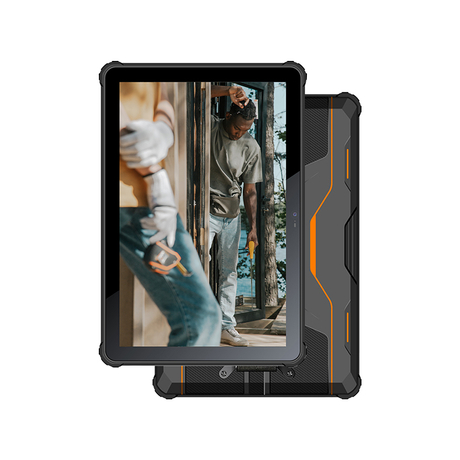
In hazardous industrial environments, mobile devices are no longer just a convenience—they are essential to daily operations. Teams need to inspect equipment, record field data, scan asset tags, document issues, and sync information with enterprise systems in real time. But in areas with flammable gases, vapors, dust, or combustible materials, ordinary handheld devices are not suitable. This is where an Industrial Intrinsically Safe PDA with Windows OS becomes valuable, combining hazardous-area safety design, industrial mobility, and Windows software compatibility to support both compliance and productivity. For organizations that still rely on Windows-based workflows, legacy applications, or internal systems, these devices are especially practical. This article explains which industries use Windows-based intrinsically safe PDAs, why they use them, and how different departments benefit from them in daily work.
1.What Is a Windows-Based Intrinsically Safe PDA?
A Windows-based intrinsically safe PDA is a handheld industrial device designed for use in hazardous environments while running a Windows operating system. It is built to support mobile tasks such as inspection, scanning, data entry, photo capture, and communication—without creating ignition risks in regulated areas.
Intrinsically Safe Design in Simple Terms
“Intrinsically safe” refers to a safety approach that limits the electrical and thermal energy inside a device so it cannot ignite a hazardous atmosphere under specified conditions. This is different from simply making a device rugged or putting it in a protective case. Intrinsic safety is about preventing sparks, heat, or electrical faults from becoming ignition sources.
That distinction matters in industries such as oil & gas, chemicals, and mining, where safety requirements are strict and the consequences of non-compliant equipment can be serious. An intrinsically safe PDA is engineered specifically for these environments, allowing teams to perform digital tasks more safely in the field.
Why Windows OS Still Matters in Industrial Mobility
Although Android dominates many mobile device categories, Windows still plays an important role in industrial settings. Many companies continue to use Windows-based enterprise systems, custom applications, and legacy desktop workflows that are expensive or impractical to rebuild.
A Windows-based intrinsically safe PDA can help reduce friction during deployment because it is often easier to connect to existing workflows for work orders, maintenance records, asset tracking, warehousing, and inspection forms. It may also reduce retraining time for teams already familiar with Windows interfaces and processes.
Typical Functions Users Expect
Most users do not choose these devices only for safety certification. They also expect the functionality needed for real industrial work. Common requirements include barcode/QR scanning, RFID or NFC support, photo capture for documentation, wireless communication, and reliable field data entry.
In many operations, the PDA becomes an all-in-one field tool: it identifies equipment, records conditions, captures evidence, and sends data to internal systems. This combination of safety and operational capability is what makes the device category important.
2.Core Industry Applications of Windows-Based Intrinsically Safe PDAs
The strongest demand for an Industrial Intrinsically Safe PDA with Windows OS comes from industries operating in hazardous areas and using structured field workflows. These devices are most valuable when companies need safe operation and compatibility with existing Windows-based systems.
Oil & Gas (Upstream, Midstream, Downstream)
Oil & gas is one of the most common application sectors. Teams across upstream, midstream, and downstream operations work in potentially explosive environments and need mobile access to inspection data, asset records, and work orders. Windows-based intrinsically safe PDAs are used for wellsite inspections, pipeline checks, refinery rounds, maintenance logging, and hazard documentation. They are especially useful when forms, maintenance tools, and asset databases are connected to existing Windows software, allowing technicians to complete tasks on-site without paper re-entry.
Chemical and Petrochemical Plants
Chemical and petrochemical plants require strict process control, reliable documentation, and fast abnormality reporting, especially in areas with flammable substances. Field teams use intrinsically safe PDAs to inspect valves, pumps, tanks, and reaction systems, confirm work orders, record operating conditions, and identify materials by scanning. When issues are found, they can capture photos and report them immediately. Windows compatibility is a major advantage in facilities still using legacy maintenance systems or internally developed Windows applications.
Pharmaceutical and Fine Chemical Manufacturing
Pharmaceutical and fine chemical manufacturing emphasizes documentation quality, traceability, and process consistency, and some areas still require hazardous-area-compliant devices. Windows-based intrinsically safe PDAs are used for batch support, equipment inspections, warehouse traceability, barcode scanning, and digital record entry. They also support photo documentation for inspection evidence and issue reporting. Because they fit documentation-heavy workflows and existing software environments, they improve data accuracy and capture efficiency with less disruption.
Mining, Tunneling, and Heavy Industry Sites
Mining and tunneling sites combine safety risks, harsh conditions, and complex field tasks, making reliable mobile equipment essential. Windows-based intrinsically safe PDAs support inspections, maintenance, safety checks, asset identification, and record updates, often with barcode scanning and photo capture. In areas with weak connectivity, offline data capture with later synchronization is also important. Their value goes beyond compliance by supporting workflow continuity and better reporting discipline.
Energy Utilities and Power-Related Hazardous Facilities
Utilities and power-related industrial facilities may include hazardous-atmosphere zones during maintenance, inspection, or material handling, where safe mobile tools are needed. Windows-based intrinsically safe PDAs can be used for digital checklists, equipment ID verification, maintenance confirmation, fault reporting, and work order closure. They are especially useful for reducing duplicate data entry between field records and internal operation-and-maintenance systems.
Maritime, Port, and Offshore Operations
Maritime terminals, port facilities, and offshore platforms often require mobile devices that support hazardous-area compliance and reliable field execution. Teams use Windows-based intrinsically safe PDAs for equipment inspections, maintenance logging, material tracking, safety documentation, scanning, photo capture, and digital forms. In offshore and distributed operations, these devices help maintain workflow consistency and improve coordination through structured data capture and synchronization.
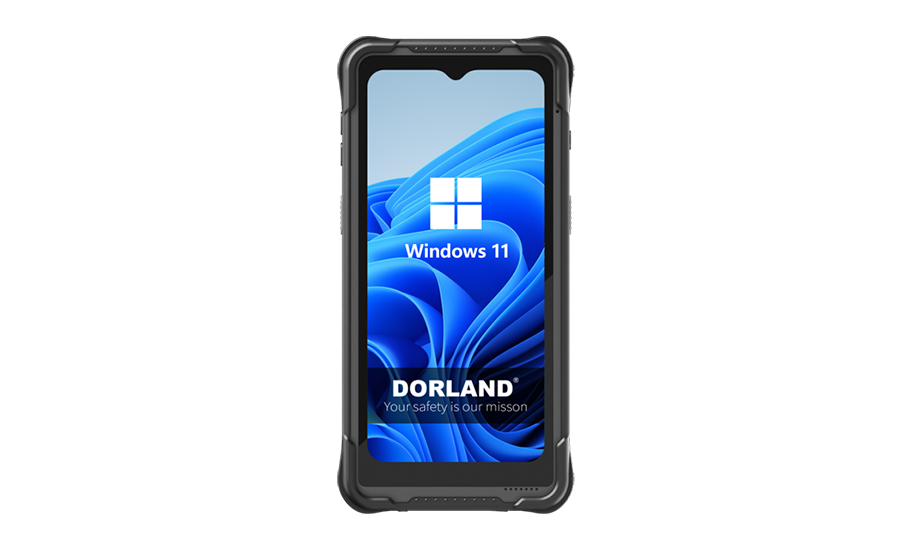
3.Why These Industries Prefer Windows-Based Intrinsically Safe PDAs
The preference is usually driven by workflow fit rather than hardware alone. Many industrial organizations are not simply buying a handheld device; they are extending existing systems into the field.
Compatibility with Existing Enterprise Workflows
A major reason for choosing a Windows-based device is software compatibility. Many companies still depend on Windows-based applications for asset management, maintenance scheduling, warehouse operations, or reporting. Rebuilding those tools for another platform can be costly and slow.
Using a Windows-based intrinsically safe PDA can reduce integration effort and support a faster rollout, especially when the company wants to digitize field work without redesigning its entire IT environment.
Field Data Capture and Compliance in One Device
These devices also support a practical operational goal: combining field productivity with safety compliance. Instead of carrying separate tools for scanning, note-taking, photography, and task confirmation, field teams can complete multiple steps on one intrinsically safe handheld.
That simplifies execution, reduces paper dependence, and improves the speed of information flow from field teams to supervisors and back-end systems.
Better Fit for Multi-Step Inspection and Maintenance Tasks
Many hazardous-area tasks are not single-action jobs. They involve checklists, verification points, photo evidence, status updates, and final confirmation. A Windows-based intrinsically safe PDA can support these multi-step workflows more effectively when the process is tied to enterprise systems already used by maintenance or operations teams.
4.Typical Use Cases by Department
Even within the same industry, different departments use these devices in different ways.
EHS / Safety Teams
EHS teams use intrinsically safe PDAs to perform safety inspections, record hazards, capture images, and track corrective actions. Digital records improve visibility and help standardize how incidents and risks are documented across sites.
Maintenance and Reliability Teams
Maintenance teams use them for preventive inspections, fault reporting, work order execution, and spare-part identification. The device helps connect field observations with maintenance systems, reducing delays and improving traceability.
Warehouse and Asset Management Teams
Warehouse and asset teams rely on scanning and verification tasks. In hazardous-related storage zones, a compliant PDA allows them to perform inventory checks, label verification, and movement confirmation more safely and efficiently.
Operations and Production Teams
Operations teams use these devices for field data entry, condition checks, and exception reporting. In daily production workflows, immediate digital recording can reduce reporting lag and improve coordination between field and control functions.
FAQ
Can Windows-based intrinsically safe PDAs work offline and sync data later?
Yes. Many industrial workflows support offline operation, which is useful in remote sites, underground areas, or places with unstable connectivity. Teams can record inspections, capture photos, and scan assets locally, then sync data when a stable connection is available. Offline performance depends on software design and IT deployment.
How are user permissions and data security managed on shared field devices?
Companies usually manage shared devices with user accounts, role-based permissions, authentication controls, and enterprise device management policies. Access can be limited by job role so each team only sees relevant tools and data. Security planning should also include update policies, encrypted communication, and lost-device procedures.
What accessories improve efficiency for field teams using intrinsically safe PDAs?
Accessories can greatly improve usability in field conditions. Common options include charging docks, hand straps, holsters, shoulder straps, protective mounts, and vehicle mounts. The right accessories reduce handling fatigue, improve carrying convenience, and support more consistent use during long shifts.
How can companies deploy and train teams quickly when replacing paper-based inspections?
A successful transition usually starts with a pilot workflow instead of a full rollout. Companies can digitize one inspection process, standardize forms, define responsibilities, and train a small team first. Clear SOPs, short hands-on training, and supervisor feedback help speed adoption. Windows-based devices may also reduce training time for teams already familiar with Windows systems.
Conclusion
An Industrial Intrinsically Safe PDA with Windows OS is especially useful in industries where hazardous-area compliance, field mobility, and software compatibility must work together. Oil & gas, chemicals, pharmaceuticals, mining, utilities, and maritime operations all benefit from safer digital workflows when the device matches real operational needs.
The strongest value is not just in the hardware—it is in how the device supports inspections, maintenance, asset tracking, and documentation within existing enterprise processes. For companies that still rely on Windows-based systems, this device category offers a practical path to safer and more efficient field digitization.