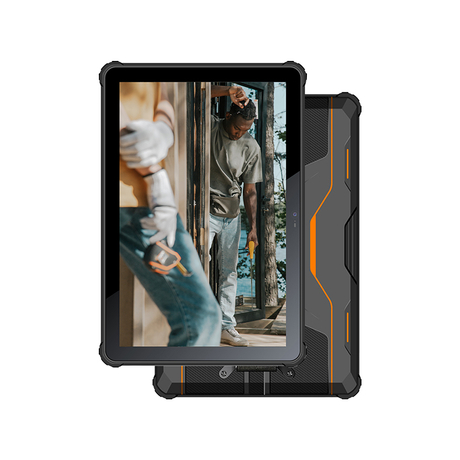
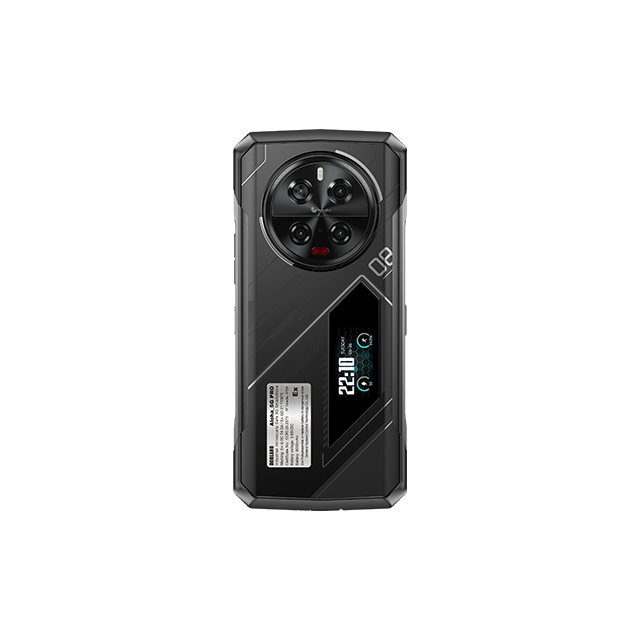
A rugged phone easily survives a 5-foot drop onto solid concrete without a single scratch. But bringing that same device into a Zone 1 hazardous area represents a massive compliance violation and a catastrophic safety risk. Industrial buyers routinely conflate basic physical durability with true ignition prevention. This dangerous misconception rapidly leads to invalidated insurance policies, strict OSHA or ATEX compliance failures, and severe workplace hazards. Ruggedness alone cannot stop a chemical explosion.
In this comprehensive guide, we thoroughly deconstruct the strict engineering differences between rugged construction and genuine intrinsic safety. You will learn about the hidden ignition risks lurking inside standard consumer rugged phones. Finally, we provide a strict, actionable decision framework. This structured approach helps you procure certified mobile devices tailored specifically for explosive environments.
Key Takeaways
Rugged solves mechanical wear; IS solves chemical reactions. Rugged phones protect the device from the environment; an intrinsically safe phone protects the environment from the device.
Standard rugged phones are ignition sources. IP68 waterproofing and military-grade drop resistance (MIL-STD-810H) offer zero protection against internal electrical sparks, static buildup, or thermal runaway.
True intrinsic safety restricts energy. Certified IS devices fundamentally limit internal current, voltage, and thermal output so that even in a dual-fault state, they cannot ignite atmospheric gases or dust.
Compliance dictates deployment. Selecting an intrinsically safe phone or a certified IS enclosure must align with specific Zone/Division classifications (e.g., Zone 1 vs. Zone 2) and your enterprise's OS infrastructure (Android vs. iOS).
The Dangerous Misconception: Defining Rugged vs. Intrinsically Safe
Many procurement teams fail to recognize the fundamental divide between consumer durability and industrial safety. They assume a thick exterior equates to universal protection. We must break down these engineering approaches to understand why they serve entirely different purposes.
The Limits of "Rugged" Engineering
Rugged engineering focuses entirely on mechanical shock and environmental exposure. Manufacturers design these devices to meet military standards, such as MIL-STD-810G or MIL-STD-810H. They utilize dense polycarbonate frames and thick thermoplastic polyurethane (TPU) bumpers. Engineers subject these phones to brutal 26-point drop tests. They hit solid steel and concrete from various angles. The phone survives, but it remains a consumer-grade electronic device underneath.
Many buyers fall into the IP rating trap. An IP68 rating means the device resists water and dust ingress. However, "waterproof" never means "gas-proof." Water molecules behave differently than volatile chemical vapors. High-pressure steam or invisible explosive gases easily bypass standard waterproof membranes. Standard rugged engineering protects your capital investment. It keeps the screen intact. However, it lacks any fault-tolerance for internal electrical anomalies.
The Engineering of an Intrinsically Safe Phone
Intrinsic Safety (often designated as Ex i) follows an entirely different philosophy. It relies on absolute energy limitation. Engineers design an intrinsically safe phone to operate on extremely low power thresholds. The device uses specialized circuitry to cap electrical and thermal energy. It incorporates components like Zener diodes to restrict voltage. It uses current-limiting resistors to control amperage. Fast-acting fuses immediately cut power during abnormal surges.
Because of these strict limitations, the device simply cannot produce enough energy to cause an ignition. Even in a dual-fault state where multiple components fail simultaneously, the device remains safe. It operates far below the minimum ignition energy (MIE) of hazardous atmospheres. IS design protects human life and facility integrity. It ensures total safety regardless of internal component failures.
Feature
Rugged Phone
Intrinsically Safe Device (Ex i)
Core Purpose
Protects the device from the environment.
Protects the environment from the device.
Energy Restriction
None. Runs at maximum power.
Strict limits on voltage and current.
Thermal Management
Can reach high surface temperatures.
Thermally capped below ignition points.
Regulatory Compliance
None for hazardous areas.
ATEX, IECEx, C1D1, or C1D2 certified.
The 4 Hidden Ignition Risks a Rugged Phone Cannot Survive
Bringing uncertified hardware into a restricted facility introduces severe, invisible threats. A heavy-duty case offers zero defense against chemistry and physics. We have identified four hidden ignition risks standard rugged phones present in hazardous zones.
Thermal Runaway and Surface Temperature
High-performance rugged phones feature powerful processors and massive batteries. When you run heavy industrial applications, these components generate immense heat. Surface temperatures can rapidly exceed the auto-ignition point of surrounding chemical vapors. In environments processing petroleum or fine dust, a hot device becomes a ticking time bomb. Certified IS devices implement strict thermal capping. They guarantee the exterior surface never reaches dangerous temperatures, even under maximum load.
Electrical Arcs and Short Circuits
Physical impacts affect devices internally. A severe drop might not shatter a rugged phone's reinforced screen. However, the kinetic force can shift internal battery connectors. This minor displacement creates invisible micro-sparks inside the chassis. In a standard environment, this merely causes a temporary glitch. In a Zone 1 hazardous area, that microscopic spark instantly ignites volatile airborne substances. Intrinsic safety circuits prevent these arcs entirely.
Electrostatic Discharge (ESD)
Standard rugged cases utilize thick, non-conductive plastics. These materials easily accumulate static electricity as users walk, rub the device against clothing, or operate in dry air. A sudden electrostatic discharge presents a severe ignition risk. High-dust zones like grain elevators or coal mines are particularly vulnerable. Petrochemical vapor zones face similar threats. Certified equipment utilizes anti-static materials specifically formulated to dissipate charge safely.
Explosive Gas Ingress
Most rugged phones rely on standard rubber gaskets for waterproofing. Over time, drops and mechanical stress deform these seals. Without certified hermetic seals, dropped rugged phones develop microscopic chassis gaps. Volatile gases easily enter these invisible fissures. Once inside, they meet unshielded electronic components. A single electrical cycle then ignites the trapped gas, leading to a catastrophic internal explosion that ruptures the device.
Intrinsically Safe Phones vs. Ex-Proof Solutions: Evaluating the Architecture
Once you recognize the necessity of certified equipment, you face a critical architectural choice. Do you purchase a dedicated IS smartphone, or do you utilize a certified explosion-proof enclosure? Both approaches ensure compliance, but they operate on completely different engineering principles. Understanding these methods helps you align technology with your operational needs.
Approach A: The Dedicated Intrinsically Safe Phone (Ex i)
The Ex i approach builds safety directly into the motherboard. Engineers fundamentally restrict energy output from the moment the device powers on. The battery, processor, and display operate within extremely tight electrical parameters.
How it works: Energy is fundamentally restricted at the motherboard level. The hardware physically cannot generate an ignition spark or dangerous heat.
Pros: These devices are ultra-safe. They frequently achieve stringent Zone 0 or Zone 1 certifications. They feature a slimmer profile than heavy enclosures. They also offer zero risk of user tampering, as the device is sealed at the factory.
Cons: Because energy is restricted, computing power remains limited. You get smaller battery capacities. Furthermore, these devices exist on an entirely separate lifecycle from standard consumer IT assets, complicating software updates.
Approach B: Explosion-Proof (Ex-Proof / Ex d) & Certified Enclosures
The Ex d approach accepts that sparks might occur. Instead of preventing the spark, the engineering focuses on containing the explosion. Certified enclosures provide advanced physical containment to suppress an internal spark from escaping into the atmosphere.
How it works: It uses physical containment (Flameproof Ex d) or advanced certified casing. If volatile gas enters the case and ignites, the rigid enclosure absorbs the blast and extinguishes the flame before it reaches the outside environment.
Pros: This method allows you to deploy high-performance flagship devices. This proves crucial for iOS or iPhone-dependent enterprise environments. You retain full processing power for demanding tasks like AR/VR applications and live-streaming.
Cons: Enclosing a high-performance device introduces significant thermal management issues. If poorly designed, the phone may overheat and shut down. Additionally, facilities enforce strict rules against opening these cases for charging while inside hazardous zones.
Architectural Comparison: Ex i vs. Ex d
Criteria
Ex i (Dedicated Phone)
Ex d (Certified Enclosure)
Safety Mechanism
Energy Limitation
Physical Blast Containment
Device Performance
Restricted (Lower CPU/Battery)
Maximum (Flagship Specs)
Tamper Risk
Extremely Low
High (If opened by user)
Best Use Case
Extreme risk (Zone 0/1) with basic apps
High compute needs in Zone 1/2
How to Choose the Right Device for Your Hazardous Area (Decision Framework)
Procuring certified equipment requires a structured methodology. You cannot rely on guesswork when human lives and facility safety are at stake. When searching for an intrinsically safe phone,intrinsically safe phone cases, or other Ex-certified accessories, you must evaluate specific operational parameters. Follow this four-step decision framework to ensure flawless compliance.
Step 1: Map Your Hazardous Zones
You must begin by identifying your operational environment. Facilities categorize risk based on the frequency and duration of explosive atmospheric presence. Are you operating in Zone 0 or 20, where hazards exist continuously? Do you work in Zone 1 or 21, where hazards occur occasionally during normal operations? Or are you in Zone 2 or 22, where hazards rarely occur and only persist for short durations? The strictness of the zone directly dictates the required certification level. Never deploy a Zone 2 device into a Zone 1 area.
Step 2: Define Software and OS Requirements
Modern industrial facilities rely on complex digitized workflows. You must match your hardware to your software ecosystem. Does your workflow rely heavily on iOS-exclusive applications? If so, dedicated IS phones will not work, as Apple does not manufacture them. You will need a certified enclosure solution. Conversely, if you utilize high-compute Android software for equipment diagnostics, ensure your chosen Ex i device possesses enough RAM and processing power to run the application without constant crashing.
Step 3: Evaluate User Ergonomics
Industrial technicians work demanding shifts. Ergonomics play a vital role in device adoption and daily safety. Factor in glove-touch compatibility for workers wearing heavy protective gear. Look for robust lanyard integrations to prevent accidental drops from elevated platforms. Assess weight fatigue over a 12-hour shift. A massive explosion-proof enclosure might provide great compute power, but if it weighs too much, technicians might leave it behind in the breakroom.
Step 4: Verify Certifications
Never take marketing claims at face value. Ensure the product carries legitimate regulatory markings. Look for valid ATEX, IECEx, UL, or C1D1/C1D2 badges printed directly on the hardware. Reject uncertified "explosion-proof" aftermarket marketing claims immediately. If a vendor cannot produce a verifiable certificate from a recognized testing laboratory, their product belongs nowhere near your hazardous zones.
Conclusion
Purchasing a standard rugged phone for a hazardous environment fundamentally solves the wrong problem. While heavy-duty ruggedness prevents physical screen breakage, only certified intrinsically safe technology prevents catastrophic atmospheric ignition. Understanding the divide between mechanical durability and energy limitation keeps your workforce alive and your facility compliant.
You must take immediate action to secure your operational zones. Conduct an immediate audit of all mobile devices currently entering your facility's restricted areas. Confiscate uncertified consumer devices immediately. Next, consult with an intrinsic safety compliance specialist. They will help you match your specific operational software needs with the correct ATEX or IECEx certified hardware. Prioritize safety certifications over superficial durability.
FAQ
Q: Can I just put a heavy-duty rugged case on my phone to make it intrinsically safe?
A: No. Standard rugged cases offer no electrical fault protection, no thermal capping, and are not legally certified for hazardous areas. Using one in a restricted zone violates strict safety codes and voids your insurance.
Q: Are any consumer iPhones or Androids intrinsically safe out of the box?
A: Absolutely not. No standard consumer smartphone is intrinsically safe. They must either be replaced by a dedicated IS device or installed inside a rigidly certified, non-removable IS enclosure by approved personnel.
Q: What happens if an intrinsically safe phone gets dropped and the screen cracks?
A: A cracked screen immediately voids the intrinsic safety certification. The device is no longer safe. You must power it down and immediately remove it from the hazardous area for certified repair or replacement.