In today’s world, many industries operate in hazardous environments where safety is a top priority. Whether it’s oil and gas, mining, or chemical plants, professionals in these sectors require specialized equipment that meets stringent safety standards. Intrinsically safe cameras are an example of such equipment, designed to function safely in explosive or hazardous atmospheres. These cameras are specifically engineered to minimize the risk of sparks or heat generation that could ignite flammable substances, making them essential tools for monitoring and surveillance in dangerous environments.
At Beijing Dorland System Control Technology Co., Ltd., we understand the critical importance of safety in industrial applications, and we offer a range of intrinsically safe cameras designed to meet these rigorous standards. In this buyer's guide, we will explain what intrinsically safe cameras are, why they are essential, their features, and how to choose the best one for your specific needs. By the end of this guide, you’ll have a solid understanding of how to select a camera that will not only enhance operational efficiency but also ensure the safety of your personnel.
What Are Intrinsically Safe Cameras?
Intrinsically safe cameras are cameras designed for use in environments that are classified as hazardous, meaning they contain flammable gases, vapors, or dust. The main characteristic of these cameras is their ability to operate without the risk of igniting these substances. To achieve this, the cameras are built with specialized circuitry and materials that prevent sparks, excessive heat, or electrical discharges that could trigger an explosion or fire.
Key Features of Intrinsically Safe Cameras
Feature | Description |
Explosion-proof design | Prevents sparks or heat that could ignite flammable gases or dust. |
Durable casing | Made from materials that can withstand extreme temperatures, impacts, and chemicals. |
Low power consumption | Ensures minimal heat production, making it safe to use in hazardous areas. |
Sealed construction | Prevents the entry of gases or dust into the camera, ensuring internal safety. |
Certified compliance | Meets global standards like ATEX, IECEx, UL, or CSA for use in hazardous zones. |
These cameras are often used in industries such as petrochemical plants, mining, pharmaceuticals, and other fields where combustible materials are present. Their ability to capture high-quality video footage in environments that would otherwise be deemed unsafe for standard cameras makes them invaluable tools for ensuring both operational safety and productivity.
Why Are Intrinsically Safe Cameras Important?
Intrinsically safe cameras play a vital role in ensuring worker safety in industries that involve hazardous environments, such as the oil and gas industry, chemical plants, and mining operations. These cameras are specifically designed to prevent sparking or heat generation, which can be life-threatening in environments where flammable gases or dust are present. The importance of intrinsically safe cameras can be highlighted in several critical ways, especially when it comes to improving safety, complying with regulations, and enabling real-time monitoring in dangerous areas.
1. Ensuring Worker Safety
In industries dealing with hazardous materials, worker safety is always a top concern. Intrinsically safe cameras are designed to eliminate the risks associated with entering dangerous environments. These cameras enable remote monitoring of areas that could otherwise pose significant dangers, such as toxic gas exposure, fire hazards, or dangerous chemicals. By allowing operators to conduct inspections from a safe distance, intrinsically safe cameras reduce the need for workers to physically enter high-risk zones, which significantly lowers the chance of accidents.
These cameras are engineered to be used in classified zones, which are environments classified according to the likelihood and duration of hazardous conditions:
· Zone 0: An explosive gas atmosphere is continuously present or present for long periods.
· Zone 1: An explosive gas atmosphere is likely to occur under normal operations.
· Zone 2: An explosive gas atmosphere is unlikely during normal operation but could occur for a short period.
By providing a stable and safe viewing experience, these cameras allow operators and safety personnel to take preventive actions before any incidents escalate.
2. Regulatory Compliance
Compliance with safety regulations is one of the most crucial aspects of working in hazardous environments. Various global standards govern equipment used in explosive or dangerous areas to prevent fires, explosions, and accidents. Intrinsically safe cameras are designed to meet these rigorous standards, ensuring they can operate safely in areas where volatile substances are present.
Some of the most widely recognized certifications for intrinsically safe equipment include:
· ATEX: The European Union’s directive that covers equipment for explosive atmospheres.
· IECEx: An international certification system for equipment used in explosive environments.
· UL: Underwriters Laboratories, a safety certification mark commonly used in the United States.
· CSA: The Canadian Standards Association, which ensures compliance with Canadian safety regulations.
By using intrinsically safe cameras that comply with these standards, companies ensure they adhere to legal requirements and avoid penalties, shutdowns, or accidents caused by non-compliant equipment. Additionally, this adherence to regulations helps maintain operational continuity and strengthens the company's reputation for safety.
3. Real-Time Monitoring
Another essential feature of intrinsically safe cameras is their ability to provide real-time monitoring in hazardous areas. These cameras allow operators to continuously monitor the condition of critical systems, machinery, and infrastructure in environments that would otherwise be unsafe to access directly. Real-time surveillance is invaluable for identifying potential issues such as gas leaks, machinery malfunctions, or the accumulation of flammable substances.
Real-time monitoring provides several benefits:
· Quick Issue Detection: Operators can detect problems such as leaks or malfunctions early, preventing further damage or escalation.
· Preventive Maintenance: Continuous monitoring can highlight areas where equipment may require maintenance or replacement before they fail.
· Enhanced Efficiency: Real-time video helps ensure that operations continue smoothly, reducing downtime and increasing overall productivity.
This real-time feedback loop is essential in hazardous environments where delayed responses can lead to severe consequences.
Applications of Intrinsically Safe Cameras
1. Oil and Gas Industry
The oil and gas industry deals with potentially explosive environments, particularly during drilling, production, and refining processes. Intrinsically safe cameras are used for:
· Surveillance of drilling platforms
· Monitoring gas pipelines
· Inspection of hazardous equipment
These cameras allow operators to observe the conditions of wells, storage tanks, and other critical infrastructure remotely, ensuring worker safety and preventing accidents.
2. Chemical and Pharmaceutical Plants
In chemical and pharmaceutical plants, where volatile chemicals and substances are handled, intrinsically safe cameras are used for:
· Monitoring chemical reactors
· Inspecting storage areas
· Verifying safety equipment and procedures
The cameras help ensure that these facilities comply with safety standards and prevent dangerous chemical reactions or spills.
3. Mining Industry
The mining industry often works in environments with high dust levels and flammable gases. Intrinsically safe cameras are used for:
· Monitoring underground mining operations
· Inspecting ventilation shafts and tunnels
· Safety checks of mining equipment
These cameras help workers and safety personnel monitor high-risk areas without entering potentially hazardous environments.
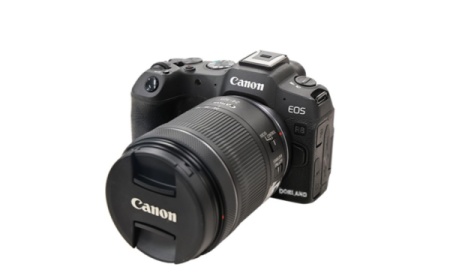
Key Considerations When Buying Intrinsically Safe Cameras
When choosing an intrinsically safe camera, there are several factors to consider to ensure that the camera meets your specific needs.
1. Certifications and Compliance
Ensure the camera is certified for the appropriate hazardous zones (ATEX, IECEx, UL, CSA). The correct certification will determine where and how the camera can be used safely.
2. Camera Resolution and Features
Depending on your needs, look for cameras with the right resolution and features:
· High-definition video: Essential for clear identification of issues.
· Infrared capability: Allows for monitoring in low-light conditions.
3. Durability and Environmental Resistance
Consider the environment where the camera will be placed. Choose a camera with a robust casing and one that is resistant to chemicals, temperature extremes, and impact.
4. Ease of Integration
Ensure the camera can easily integrate into your existing monitoring system. Look for cameras that offer connectivity options like wireless, Ethernet, or HDMI for seamless integration.
Conclusion
Intrinsically safe cameras are indispensable tools in industries where hazardous conditions are present. These cameras provide critical support for worker safety, compliance with industry standards, and real-time monitoring of high-risk environments. Whether you are in the oil and gas, chemical, pharmaceutical, or mining industries, these cameras ensure that you can perform essential tasks while protecting your workers and meeting regulatory requirements.
At Beijing Dorland System Control Technology Co., Ltd., we specialize in offering high-quality intrinsically safe cameras designed to meet the most stringent safety standards. If you're looking for the best solutions for your industry, feel free to contact us. Our team is always ready to assist you with the right equipment to ensure safety and efficiency in your operations.
FAQ
1. What makes a camera "intrinsically safe"?
An intrinsically safe camera is designed to prevent sparks or heat from being generated that could ignite flammable gases or dust in hazardous environments.
2. Can intrinsically safe cameras be used outdoors?
Yes, many intrinsically safe cameras are designed for both indoor and outdoor use, especially in environments like oil rigs and chemical plants.
3. What industries benefit most from intrinsically safe cameras?
Industries such as oil and gas, chemical processing, mining, and pharmaceuticals benefit greatly from the use of intrinsically safe cameras.
4. How do I maintain my intrinsically safe camera?
Maintaining an intrinsically safe camera involves regular cleaning, checking for damage, and ensuring it stays within its specified operating conditions to avoid accidents.